
Quality Septic Tank Pumping for Your Home
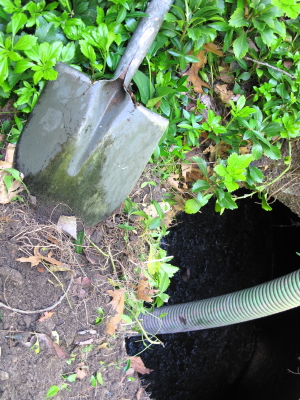
Your Fort Lauderdale septic system, when compared to urban and suburban living areas, functions as a mini sewer system and waste treatment plant, and all household waste is disposed of in the septic tank. Septic tanks must be pumped regularly by a skilled plumber to ensure proper function. The termination point of your septic system is the environment, so what you put into your septic tank and how you choose to maintain it are important.
Septic tanks are buried in the ground, and they consist of piping, watertight tanks, and leaching fields. When household waste enters a septic tank, organic material floats to the surface where bacteria biologically convert it to liquid. This organic material is called a floating layer. Inorganic material and by-products of bacterial digestion don't float. Instead, they sink and accumulate at the bottom of the tank, creating a sludge layer. Water entering the tank occupies the space between the floating layer and the sludge layer. A large clear water layer is essential to a healthy septic tank.
If material from either the floating layer or the sludge layer exits the septic tank and enters the leaching field, nothing but trouble will result. Your field's piping system will become clogged, and harmful unprocessed waste will contaminate the ground soil and water.
Septic tanks should be pumped by an experienced plumbing company at different intervals, depending on the following factors:
- The volume of the tank
- The number of people the tank supports
- The frequency of showers
- The frequency of appliance use that involves water
- How much inorganic material is introduced
- The design and condition of the leaching field
- The type of soil in the leaching field area
Schedule Septic Tank Maintenance Services for Your Fort Lauderdale Home
If your septic system requires attention from a professional Fort Lauderdale plumber, reach out to a reputable plumbing company with experience in maintaining septic tanks like CEC Plumbing. Scheduling inspections and maintenance services routinely will ensure that a plumbing technician can assess problems and complete repairs before severe damage occurs.
Recent Articles
When Should I Get My Septic System Repaired?
Your septic system goes underground, so it can be easy to overlook any problems it’s experiencing, but that doesn’t mean its problems aren’t serious, nor does it mean that you can’t detect problems with your septic system.These problems manifest themselves in ways that you can see […]
Benefits Of Professional Drain Cleaning
Maintenance is a very important part of being a Fort Lauderdale homeowner. Unfortunately, most homeowners have a serious blind spot in their maintenance routine and it tends to be their home's drains. Most homeowners don't give much thought to their drain pipes until something goes wrong […]